

Previous Trainees
Postdoctoral Fellows
Josh Buffington: 2023 – 2025 (Ullman Lab, Department of Neuroscience)

My research examined language abilities in the aging brain, with an emphasis on understanding how hippocampal atrophy and mitigating behaviors (e.g., exercise, sleep) impacted language in older adults.
Eleni Hughes: 2023 – 2025 (Levi Lab, Department of Biochemistry and Molecular & Cellular Biology)
I studied the roles of nicotinamide riboside and estrogen-related receptors (ERRs) in brain and kidney health in diabetic mouse models. Through this research, I was trained in various traditional biological experimental methods, including Western blotting, immunohistochemistry, immunofluorescence, and RT-qPCR. Additionally, I worked to apply my physics knowledge to advanced techniques in imaging and biophysics, such as Stimulated Raman Spectroscopy (SRS), Stimulated Emission Depletion (STED) imaging, and various methods of computational image analysis. I led a project investigating the efficacy of nicotinamide riboside in improving brain health through the mitigation of inflammation in a diabetic mouse model, and we anticipated submitting a manuscript on this topic for publication by the end of the summer.
Kyle Kihn: 2024 – 2026 (Brelidze Lab, Department of Pharmacology & Physiology)
Dr. Kyle Kihn’s postdoctoral research focused on integrating molecular dynamics (MD) simulations, AI/ML methods, and experimental validation to investigate ion channel regulation and identify novel drug candidates. His primary project involved characterizing the structural dynamics of KCNH family ion channels, particularly EAG1, and applying machine learning models to predict and optimize channel modulators for pharmaceutical intervention across a wide range of diseases. He developed experimentally grounded AI approaches that led to the identification of novel inhibitors, resulting in a filed patent. In parallel, Dr. Kihn led molecular simulations of HCN channel isoforms to study cAMP- and voltage-dependent gating mechanisms, with an emphasis on isoform-specific behavior relevant to aging and neurodegenerative diseases. His work integrated biophysical techniques such as HDX-MS, SPR, and electrophysiology to experimentally validate computational predictions, demonstrating substantial progress in advancing both his independent research expertise and the broader field of structure-based drug discovery.
Valerie Lewitus: 2023 – 2025 (Evans Lab, Department of Neuroscience)

Dr. Valerie Lewitus was a postdoctoral trainee in Dr. Evans’ lab who studied the effects of exercise on motor skill learning and neuronal properties in extended basal ganglia circuitry using a combination of behavioral, electrophysiological, optogenetic, and imaging techniques. Building on her research background in the effects of sex hormones on the brain, Dr. Lewitus explored the potential role of estrogen in enhancing the exercise-induced improvement of motor skill learning. Her long-term goal was to determine whether exercise and estrogen treatment interacted beneficially as complementary therapeutic interventions to improve deficits in motor skill learning, such as those observed in normal aging and Parkinson’s disease.
Amanda Schneeweiss: 2022 – 2023 (Pak Lab, Department of Pharmacology & Physiology)
My research involved using mass spectrometry to identify novel tau phosphorylation sites involved in synaptic plasticity and aging mice. After identifying novel sites, I used molecular biology techniques to further understand the function of these sites. We found that a novel site on the C-terminus of tau might have been involved in tau aggregation.
Kyle Shattuck: 2023 – 2025 (Turkeltaub Lab, Department of Rehabilitation)
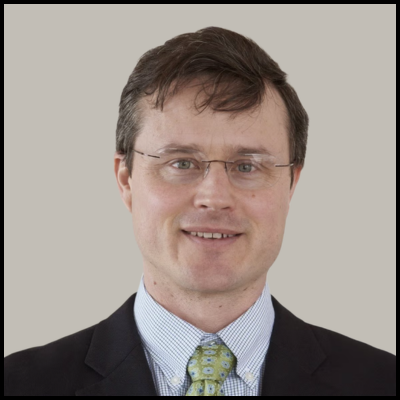
Kyle’s research focused on the analysis of individualized and heterogeneous progression through healthy aging and acquired neurological disorders. His previous research used neuroimaging to track structural and functional brain changes associated with memory and attention processes in cohorts with Alzheimer’s disease and HIV-associated neurocognitive disorders. His work adapted machine learning algorithms to characterize the properties and implications of lesions found in brain MRI scans from stroke survivors.
Ajay Uprety: 2023 – 2025 (Ostroumov Lab, Department of Pharmacology & Physiology)

My current research focused on KCC2-dependent changes to inhibitory GABAergic signaling in Parkinson’s disease. To accomplish this, I used a combination of slice and in vivo electrophysiological techniques, as well as behavioral and machine learning analyses.
Predoctoral Students
Matthew Amontree: 2023 – 2025 (Conant Lab, Department of Neuroscience)
I studied the CNS extracellular matrix (ECM) and its role in regulating synaptic plasticity. I investigated novel therapeutics that could mitigate ECM dysfunction in an Alzheimer’s disease mouse model. The goal was to determine safe compounds that promoted cognitive flexibility and reduced neurodegenerative pathology.
Micaila Curtis: 2022 – 2024 (Alimanti Lab, Department of Biochemistry and Molecular & Cellular Biology)
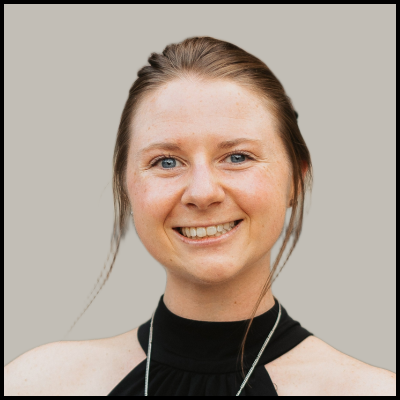
Chronic bone and musculoskeletal degenerative diseases in the aging population, such as osteoporosis, presented extensive challenges for intervention and required new research modalities to identify mechanisms that could be targeted for therapeutic and grafting purposes. Our research focused on the contribution of vitamin C to the bone extracellular matrix (ECM), bone mechanical properties, and the activity of stromal cells and microvasculature. We generated bone ECM for incorporation into 3D bone-on-a-chip microfluidic systems to evaluate the effects of vitamin C in young, aged, and secondary osteoporotic research models. Finally, we 3D-bioprinted bone scaffolds for implantation into mouse bone defects to evaluate the biocompatibility, host integration, and tissue regeneration capacity of the generated bone biomaterials in young and secondary osteoporotic mice.
Katelyn Dial: 2021 – 2023 (Conant Lab, Department of Biochemistry and Molecular & Cellular Biology)

Around 14% of adults aged 60 and over lived with a mental disorder, and globally, around a quarter of deaths from suicide (27.2%) occurred among people aged 60 or over. Recently, a class of drugs known as psychedelics, whose common mechanism of action is agonism at the serotonin 2A receptor (5HT2AR), was given Breakthrough Therapy designation by the FDA for the treatment of major depression and treatment-resistant depression. Under the guidance of Dr. Katherine Conant, I investigated how selective 5HT2AR agonism affected extracellular matrix composition and neural oscillations relevant to mood, resulting in an antidepressant response. An improved understanding of how psychedelics produced their rapid and sustained antidepressant effects helped advance both our understanding of the mechanisms underlying major depressive disorder (MDD) and efforts to develop better-targeted treatments for MDD.
Katie Hummel: 2021 – 2023 (Conant Lab, Department of Neuroscience)
I explored the role of CCR5 in mood and behavior by applying a multidisciplinary approach to investigate the role of C-C motif chemokine receptor 5 (CCR5) in behavior, memory, synaptic plasticity, and neuronal oscillations related to neuropsychiatric disorders. I conducted extensive behavioral assessments of anxiety, depression, memory, locomotion, body weight, and sleep in a colony of CCR5 knockout mice. I employed in vivo telemetry EEG to investigate neuronal oscillations in a longitudinal study. I used EEGLAB and PACT in MATLAB to write specialized code that performed phase-amplitude coupling (PAC) analysis on continuous ADInstruments EEG files. I also used a variety of molecular assays to investigate novel pathways and mechanisms of CCR5 signaling. I utilized immunofluorescence to visualize plasticity-associated neuronal expression and extracellular matrix structures in the hippocampus, amygdala, and cortex, and wrote code in FIJI/ImageJ and QuPath to automate data analysis and quantification. Finally, I performed complex statistical analyses, including principal component analysis, on proteomics data.
Peyton Thomas: 2023 – 2025 (Xiong Lab, Department of Neuroscience)

I was a PhD student in the Cognitive Neuroimaging Lab directed by Dr. Xiong Jiang. My research utilized MRI to examine structural and functional changes related to aging, HIV, and Alzheimer’s disease. I was particularly interested in the potential overlap and risk for comorbidity of Alzheimer’s disease in aging populations living with HIV.
Prachi Shah: 2022 – 2024 (Cervantes-Sandoval Lab, Department of Biology)

My current research focused on understanding the biological mechanisms underlying retrograde amnesia using Drosophila melanogaster. My project focused on understanding anesthesia-associated memory loss and determining the role of dopaminergic signaling in this phenomenon. We would not have a complete understanding of how memory systems worked until we understood the mechanisms underlying forgetting. The implications of this research had the potential to provide future insight into memory loss associated with neurodegenerative diseases, such as Alzheimer’s disease, and the biological process of aging.