

Current Trainees
Postdoctoral Fellows
Kent Lin: 2025 – Present (He Lab, Department of Biology)

Investigating the neuroimmune aspects of brain aging and neurodegenerative diseases, with particular emphasis on understanding how the CNS immunopeptidome regulates the neuroimmune landscape. My research encompasses characterizing the receptor, transcriptomic, and epigenetic profiles of CNS glial cells to unravel the molecular and cellular mechanisms underlying neuroinflammatory processes, with the goal of identifying novel therapeutic targets for age-related neurodegeneration. I am currently investigating how neuronal peptides modulate neuronal development and maintain the intricate balance between plasticity and homeostatic neural circuits.
Max Stevenson: 2025 – Present (Burns/Forcelli Labs, Departments of Neuroscience and Pharmacology)
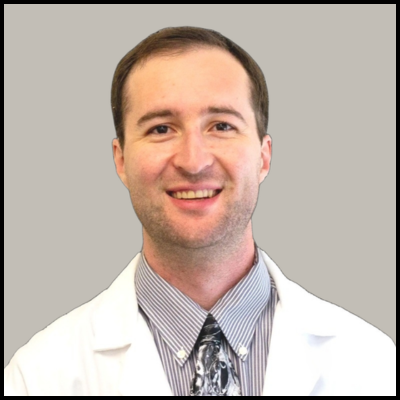
My research investigates the prevalence of cellular senescence following traumatic brain injury (TBI) and its contributions to post-traumatic epilepsy (PTE) in mouse models. Using single cell RNA sequencing, immunohistochemistry, electrophysiology, and behavioral assays, I aim to elucidate the time course and cell-type specific signature by which senescence arises following TBI and whether this feature contributes to the onset of epilepsy, as well as whether or not pharmacological senolytic interventions are sufficient to prevent the progression of TBI to PTE.
Predoctoral Fellows
Matt Kiely: 2025 – Present (Brown Lab, Department of Psychology)
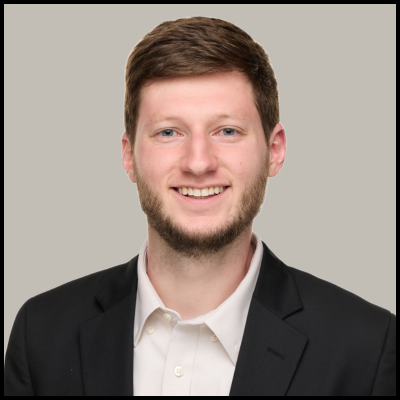
I study the socioemotional processes associated with aging, with a particular interest in how these processes are affected in dementia. My research uses behavioral, physiological, and neuroimaging methods to understand particular social functions, such as emotion recognition and emotion regulation, and how they may be disrupted by neurodegenerative diseases. It is important to understand these disruptions, as they can negatively affect the well-being of people with dementia and their caregivers.
Phil Pikus: 2025 – Present (Rebeck Lab, Department of Neuroscience)
My work focuses on the acute effects of novel immunotherapies for the treatment of Alzheimer’s Disease, and the role of APOE genotype and cerebral amyloid angiopathy in levels of an adverse effect known as ARIA. We look at the acute effects of these immunotherapies, simulating the conditions when ARIA occurs most frequently clinically. We believe our work can help elucidate why APOE4 individuals are at higher risk of brain injury, and can help guide next steps to more safely administer disease modifying therapies for Alzheimer’s.
Greta Sten: 2025 – Present (Burns Lab, Department of Neuroscience)

I am using electrophysiology to understand the mechanisms that link traumatic brain injury (TBI) to dementia. Specifically, I am investigating how TBI impairs the ability to “form” memories (by measuring synaptic plasticity via long-term potentiation and patch clamping) and to “lock in” memories (by measuring synchronized neuronal firing patterns, including sharp wave ripples). I will test therapies that reduce brain aging (senolytic therapies) and improve synaptic plasticity (transcranial electrical stimulation) to assess if they can reverse cognitive decline and electrophysiological biomarkers in TBI mice. I also plan to learn RNA sequencing analysis to determine the impact of these treatments on the synaptic transcriptome. My research will help uncover the mechanisms that predispose TBI patients to Alzheimer’s disease and dementia, and determine new treatment strategies to reduce this risk.
Kaan Taskintuna: 2025 – Present (Golestaneh Lab, Department of Neurology)
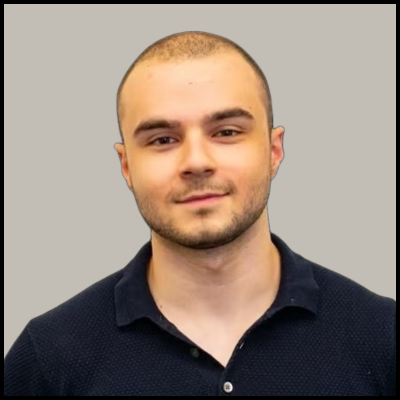
My research focuses on examining the mechanisms behind aging-associated decline in the retina and retinal pigment epithelium. Through utilizing mouse and human cell culture models, the ultimate goal of my work is to gain a better understanding of the mechanisms behind the pathophysiology and pathogenesis of age-related macular degeneration (AMD). AMD is a complex disease that causes irreversible loss of central vision and significant disability to affected individuals. My current projects investigate the interactions between aging, oxidative stress, mitochondrial/metabolic dysfunction, and biological sex (sex hormone and chromosomal effects).